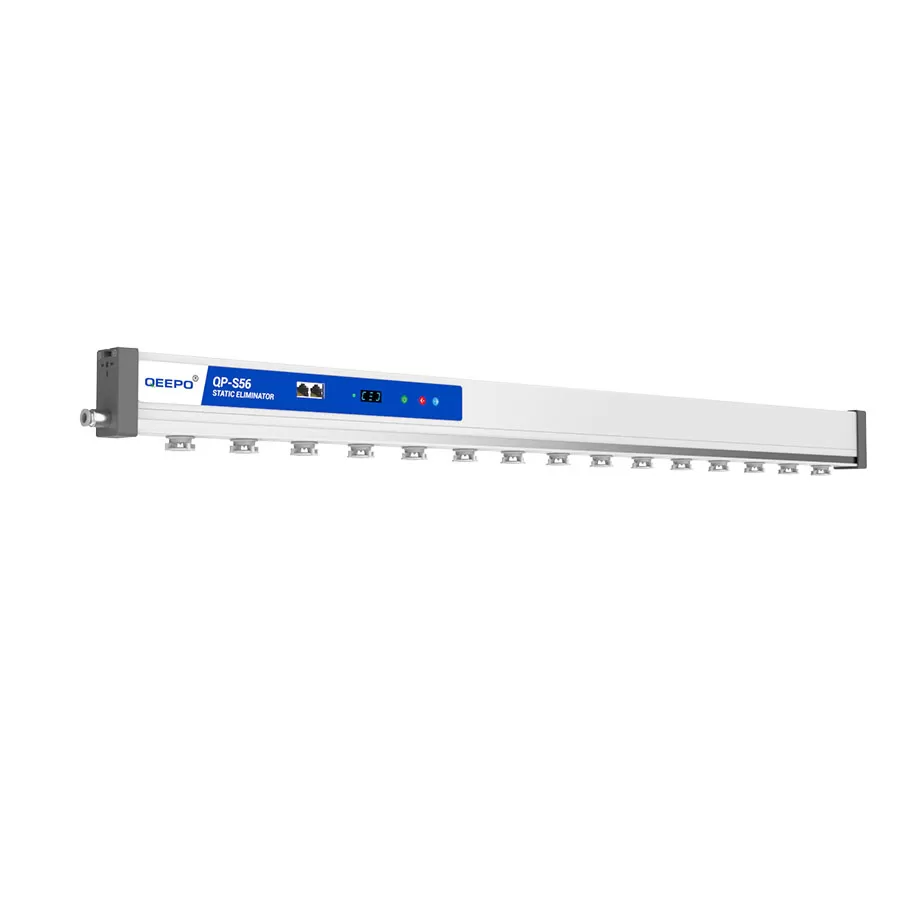
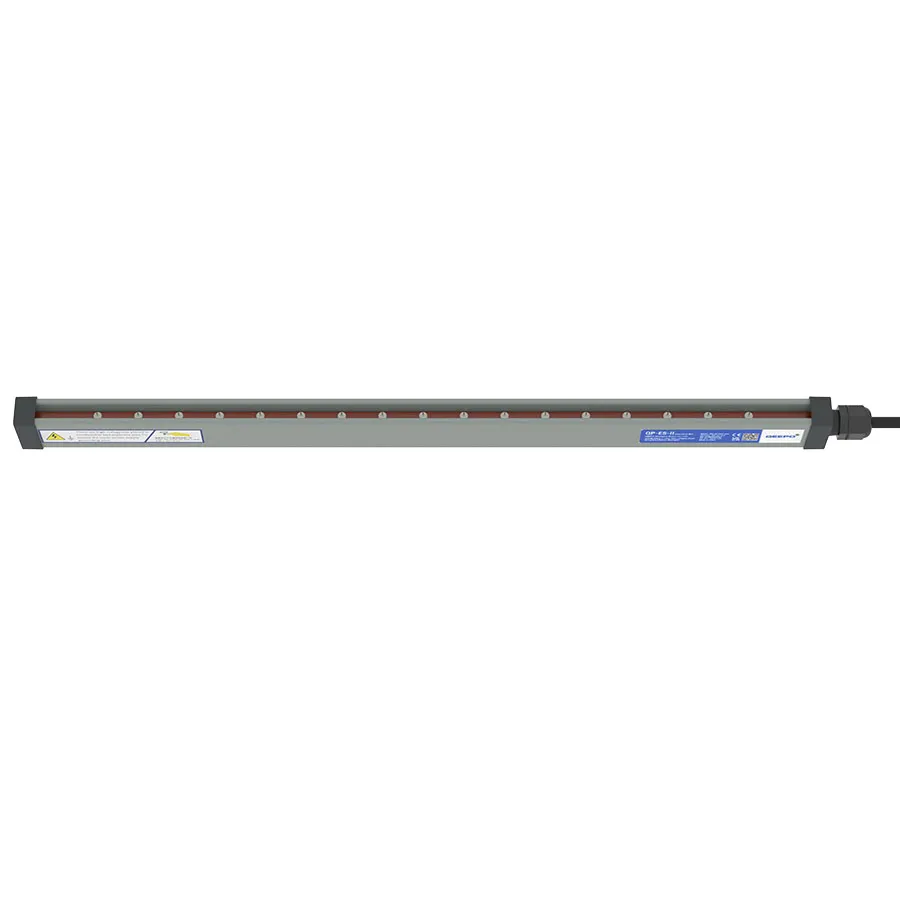
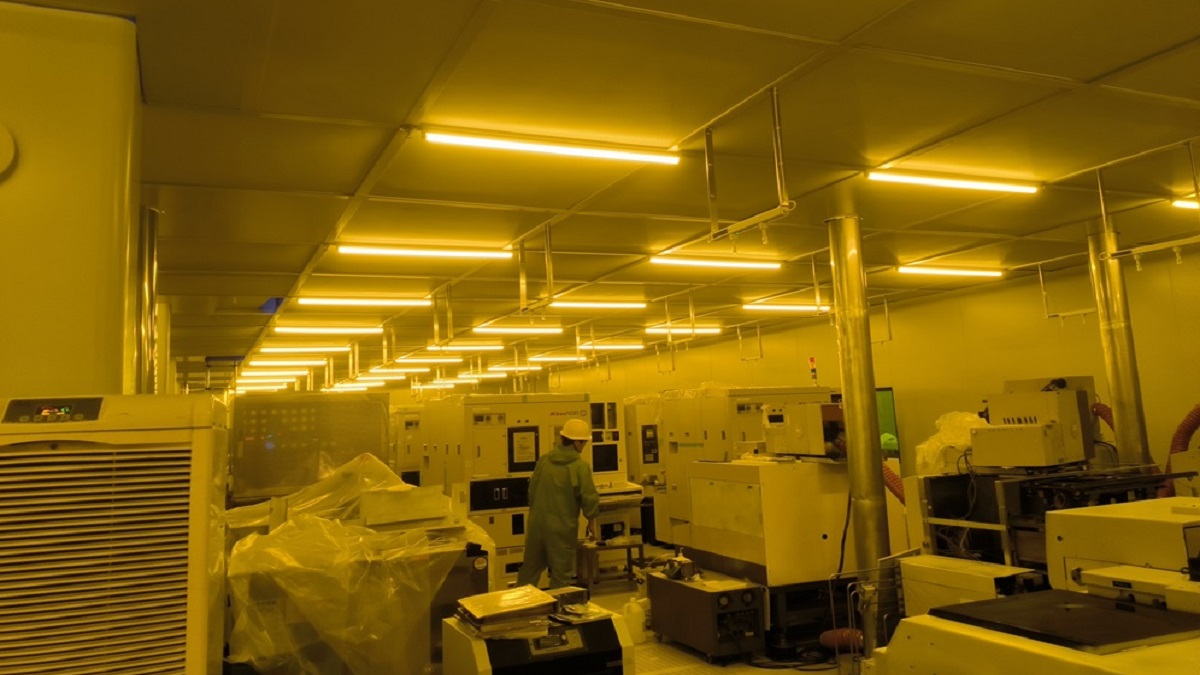
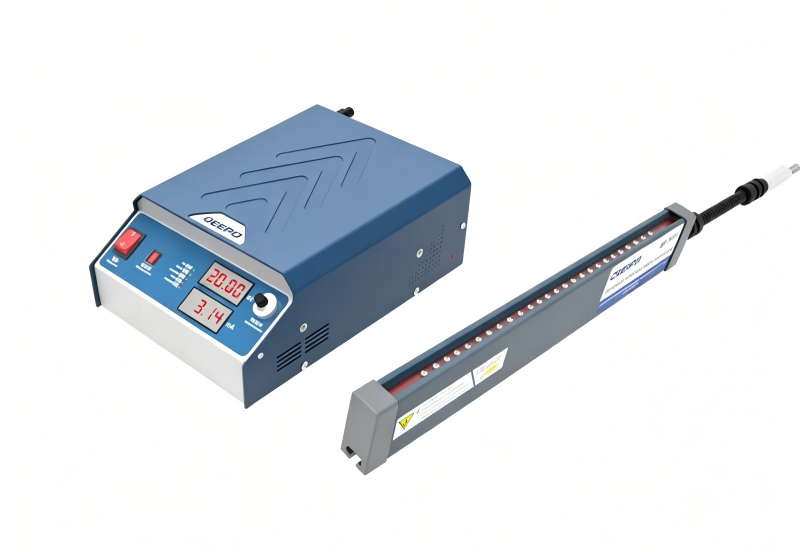
In today's fast-paced industrial environments, controlling electrostatic discharge (ESD) is critical for product quality, safety, and operational efficiency. Static measurement devices play a vital role in quantifying surface voltages and electric fields. These instruments help prevent costly defects, equipment damage, and workplace hazards across various sectors. Understanding the key factors behind their performance allows industries such as electronics manufacturing, printing, plastics, and pharmaceuticals to maintain effective static control programs.
QEEPO ESD offers a range of high-performance solutions designed for demanding industrial applications. Whether troubleshooting issues on production lines or implementing continuous monitoring, selecting the right tools and applying them correctly makes a significant difference.
This comprehensive guide explores the primary determinants of accuracy for these instruments, providing actionable insights to optimize ESD control strategies.
The foundation of any reliable static measurement device lies in its sensor technology and detection method. Different approaches deliver varying levels of precision, response time, and suitability for specific environments. Common designs include field mills that mechanically modulate the electric field to generate an AC signal. These offer excellent accuracy and low drift, making them well-suited for laboratory and controlled industrial settings. Electrometer-based options measure induced charge or voltage directly and provide high sensitivity for low-level charges, though they can be more susceptible to environmental interference. Non-contact electrostatic field meters remain popular for handheld use, relying on capacitive coupling or specialized semiconductors to detect field strength without physical contact.
Detection approaches also vary among static charge measurement devices. Some focus on instantaneous spot readings, while others enable continuous inline monitoring with data logging features. Handheld models emphasize portability for quick audits, whereas fixed in-line versions integrate smoothly into automated production lines for real-time insights.
Static Measurement Device Sensor Technologies Comparison
| Technology | Accuracy Level | Response Time | Best Applications | Limitations | Typical Measurement Distance |
|---|---|---|---|---|---|
| Field Mill | High (±2-5%) | Fast | Precision labs, continuous monitoring | Higher cost, mechanical wear | 1-3 inches (fixed) |
| Electrometer-based | Very High | Moderate | Low-level charge detection | Sensitive to humidity/cables | Variable |
| Capacitive/Non-contact | Good (±5-10%) | Very Fast | Handheld audits, production lines | Distance-sensitive | Manufacturer-specified (e.g., 1 inch) |
| Semiconductor-based | Moderate-High | Fast | Inline industrial use | Temperature drift possible | Optimized for process speeds |
Data based on typical manufacturer specifications and industry standards. Actual performance varies by model. QEEPO ESD instruments combine advanced sensor technology with robust designs for consistent results across these categories.
Selecting the appropriate technology directly improves measurement reliability in real-world applications.
One of the most critical factors influencing performance is the distance between the sensor probe and the target surface. Most static charge measurement devices are factory-calibrated for a specific distance, commonly 1 inch (25.4 mm). Deviations from this recommended value can introduce significant errors.
The electric field strength often follows the inverse square law, meaning small changes in distance—especially at close range—lead to disproportionately large variations in readings. For instance, at a 1 cm spacing, a minor 0.1 cm variation can cause approximately 10% error, while at 5 cm the same variation results in only about 2% error. Larger target surfaces relative to the measurement distance (with an aspect ratio of at least 3:1 recommended) help create a more uniform field and improve overall accuracy.
Best practices include using built-in LED distance indicators or spacers on handheld models, maintaining the manufacturer-recommended distance consistently, applying correction factors when working at non-standard distances, and training operators to avoid positioning errors. In industrial settings, inconsistent distance frequently contributes to unreliable data. QEEPO ESD designs incorporate ergonomic features and accessories that support repeatable, accurate positioning.
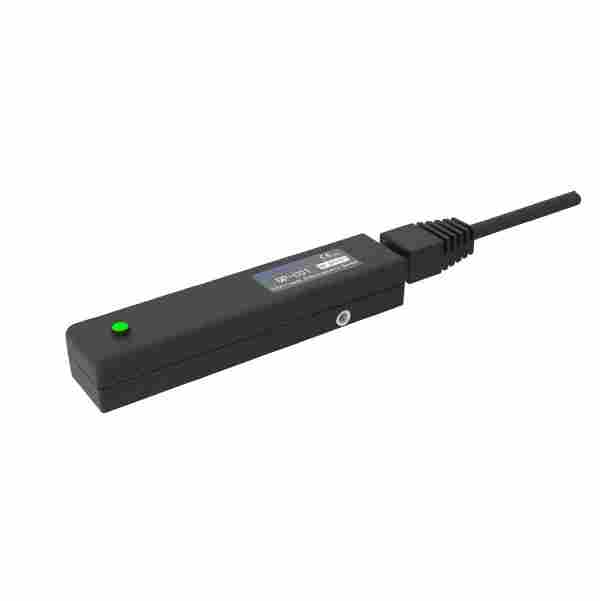
Environmental factors affect both static charge generation and the performance of static measurement devices.
Relative humidity plays a particularly important role. Low humidity (below 40-45% RH) encourages greater charge buildup and can increase instrument drift, whereas higher humidity helps dissipate charges but may introduce condensation risks in sensitive electronics. Many modern units include integrated humidity and temperature sensors to provide helpful contextual information. Temperature fluctuations can influence sensor electronics and material properties, sometimes causing thermal drift. Airflow, drafts, electromagnetic interference from nearby machinery, and airborne particulates may also impact readings.
To achieve dependable results, measurements should ideally occur in controlled conditions with shielded instruments, while also tracking environmental parameters alongside static data. Many facilities maintain 40-60% RH as a practical target for balanced static control.
Even premium static charge measurement devices require regular calibration and maintenance to sustain accuracy. Periodic calibration against traceable standards helps ensure long-term reliability.
Annual calibration is common, with more frequent intervals recommended for critical applications. In-house checks using parallel plate methods can complement professional servicing. Key considerations include battery condition, probe cleanliness, and mechanical wear on components such as those in field mill designs.
Effective maintenance involves gentle cleaning of probes with suitable solvents, proper storage in protective cases, timely battery replacement, and systematic logging of calibration history. Consistent attention to these details prevents gradual drift and supports confidence in static control programs. QEEPO ESD instruments emphasize durability, yet adherence to manufacturer guidelines remains the best way to maximize service life and precision.
Operator and procedural issues frequently affect accuracy when using these instruments. Incorrect probe positioning, poor grounding, or measuring too soon after process changes can all produce misleading results. Other common problems include testing on undersized targets that violate recommended aspect ratios or failing to zero the device properly. Physical damage from drops and component degradation over time may also contribute to inaccuracies.
Raising awareness and implementing standardized procedures helps reduce these risks. Many contemporary models feature helpful aids such as auto-zero functions and real-time feedback to support consistent, accurate operation.
The accuracy of static measurement devices in industrial applications results from multiple interconnected factors, including sensor design, proper usage techniques, environmental management, regular calibration, and careful error prevention. A clear understanding of these elements enables manufacturers to strengthen ESD control, minimize defects, enhance safety, and boost process efficiency.
Investing in quality equipment paired with thorough training delivers long-term benefits through reduced interruptions and improved yields. Discover our full range of advanced static measurement devices by visiting the products page. Our team is available to help with any questions on static control implementation—feel free to get in touch.
Most industrial-grade static charge measurement devices offer ±5% accuracy or better when used at the specified distance under controlled conditions. Always check model-specific details.
Annual calibration is standard, though every 6 months is advisable for high-precision or critical uses. Maintain clear records to support quality compliance.
Yes. Low humidity tends to increase charge levels and sensor variability, while high humidity can reduce charges but introduce other influences. Integrated sensors often help provide fuller context.
Some versatile models support multiple uses, but dedicated handheld and in-line versions frequently deliver better optimization for their primary roles.
Most instruments are calibrated for 1 inch (25 mm). Following the manufacturer’s guidance and any built-in positioning aids ensures the best consistency and accuracy.
Electronics manufacturing, printing, packaging, plastics, pharmaceuticals, and any processes involving insulators or sensitive components gain significant advantages from dependable static monitoring.

 +86-17717352246
  andy@qeepo.cn
 English
  日本語
日本語  한국어
한국어  français
  Español
  русский
  português
  العربية
  tiếng việt
  ไทย
ไทย  Polska