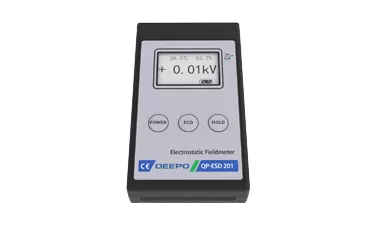
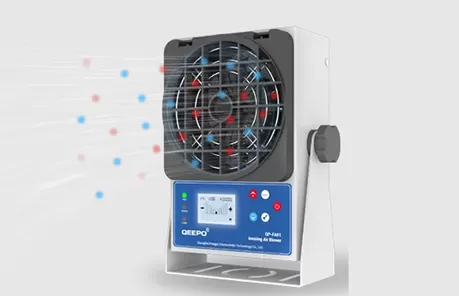
In film production, static electricity is the primary cause of dust attraction on the film surface, uneven winding, deviation, and adhesion issues. Many companies install ion static eliminators yet still struggle to bring static levels under control. The root problem lies in common misconceptions about static elimination, which greatly reduce the effectiveness of the treatment. Below are the most frequent mistakes in film static control and the corresponding solutions to avoid them.
Many production lines mistakenly believe that proper grounding of the machine frame and guide rollers can fully discharge all static electricity. In reality, materials such as PET, BOPP, and optical films are polymer insulators. Charges cannot be conducted and dissipated through the film body itself. Frame grounding only releases induced charges on metal components and does nothing to eliminate free static on the film surface.
Key takeaway: Grounding is a basic protective measure, but effective film static elimination requires professional neutralizing equipment such as QEEPO static eliminating bars to fundamentally remove surface charges.
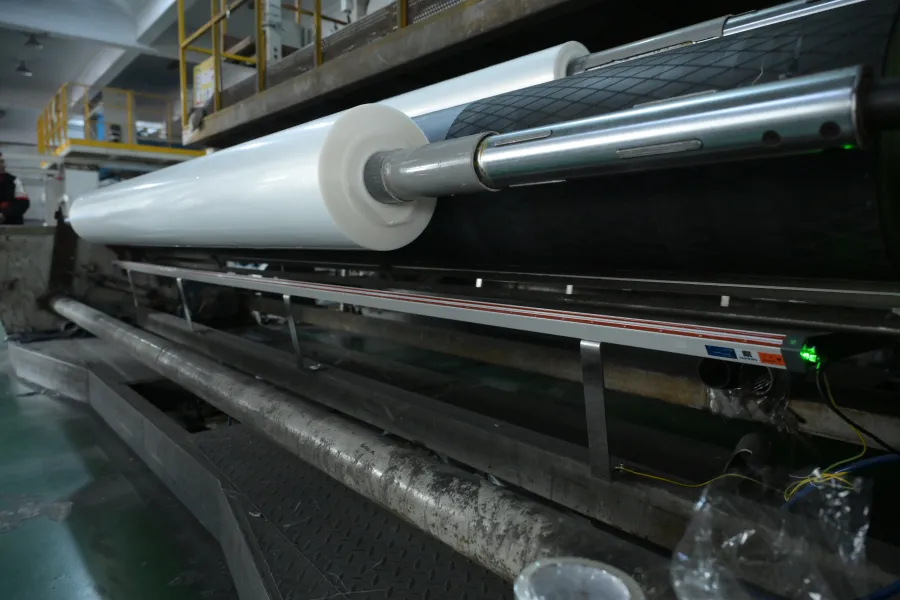
Some companies install an ion bar at only one location on the production line and assume it will handle static throughout the process. However, film production involves multiple stages—unwinding and peeling, friction during film transport, and cutting at the knife edge—that continuously generate new static. A single-point device can only neutralize existing charges in one area, while subsequent processes generate new charges, leaving static levels still excessive at the winding stage.
Key takeaway: Follow a segmented control approach. Deploy QEEPO static elimination equipment at the three critical high-static positions—unwinding/peeling, before and after the knife unit, and before winding—to neutralize newly generated charges at each stage.
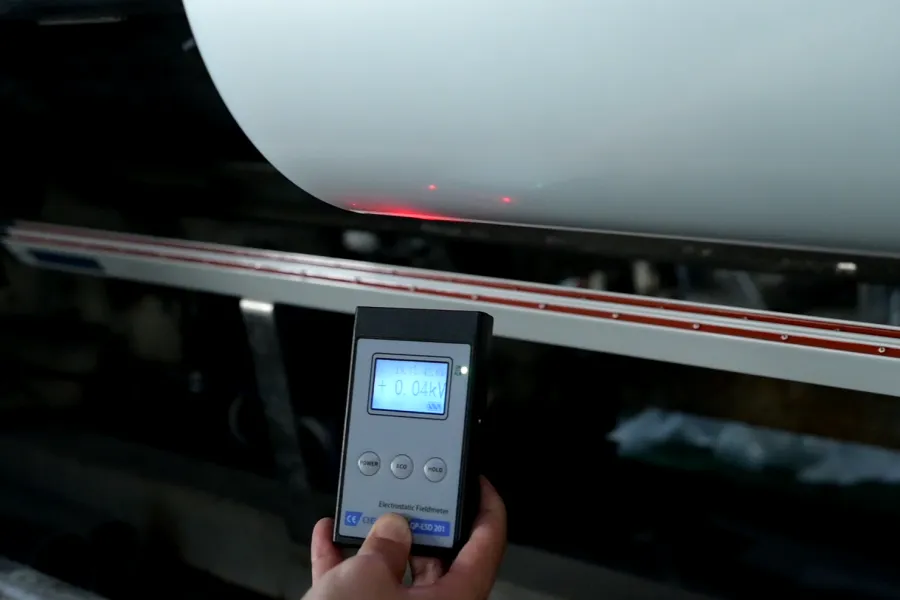
Many production lines treat static eliminators as “set-and-forget” devices and rarely clean or calibrate them. Film scraps, dust, and volatiles from additives in the workshop continuously accumulate on the ion emitter pins, causing reduced ion output and balance drift. Equipment that is not maintained over a long period can lose more than 50% of its static elimination efficiency.
Key takeaway: Regularly clean the discharge electrodes of the static eliminator and use a QP-ESD201 static tester to check ion balance.
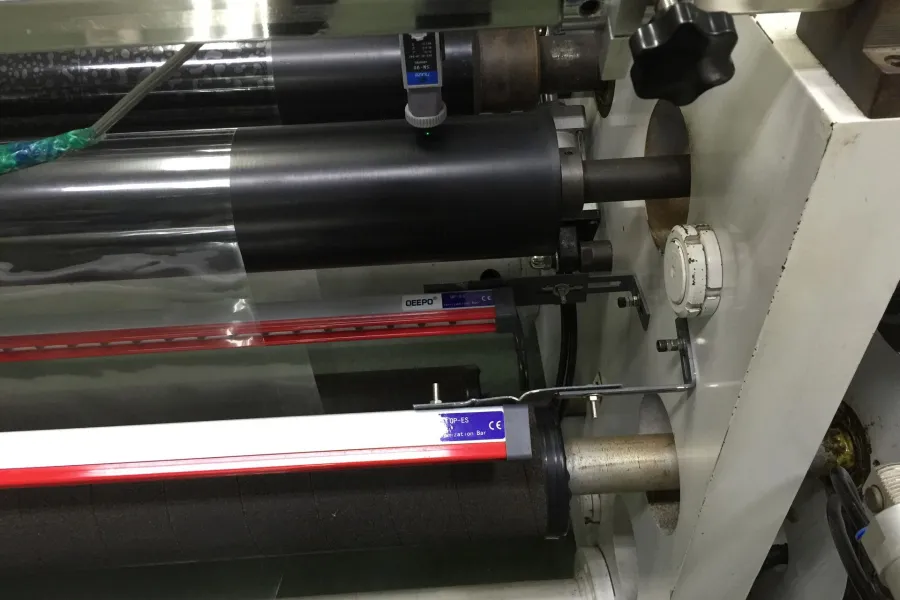
Focusing only on the appearance side of the product and performing single-sided static elimination is a common oversight. After passing over multiple guide rollers, both sides of the film become charged. Treating only one side allows residual charges on the reverse side to be sealed into the roll during winding, leading to adhesion, discharge, and other problems in later processes.

 +86-17717352246
  andy@qeepo.cn
 English
  日本語
日本語  한국어
한국어  français
  Español
  русский
  português
  العربية
  tiếng việt
  ไทย
ไทย  Polska