——Static‑Electricity Issues and Solutions for the Pharmaceutical Industry
In pharmaceutical manufacturing processes, static electricity is continuously generated during procedures including film peeling, rubber‑stopper conveying, blister packaging, assembly‑line transmission and manual operations. Most pharmaceutical materials are insulating substances such as plastics, films and rubber. Static charges cannot dissipate spontaneously and tend to accumulate on the surfaces of equipment and products, triggering a series of production problems and quality risks.
Pharmaceutical clean rooms enforce extremely strict control over dust and airborne viable particles. Due to strong electrostatic adsorption, static electricity attracts dust, fibres and particulates from ambient air. These contaminants adhere to drug vials, rubber stoppers, pharmaceutical packaging materials and medical devices, directly causing non‑compliant product cleanliness, foreign‑matter defects and excessive particle levels. In severe cases, entire batches of products may be rejected.
Friction‑induced static electricity occurs on pharmaceutical packaging films, aluminium‑plastic laminates and blister trays during high‑speed production. This gives rise to film sticking, material feeding offset, wrinkling, material deviation and overlapping materials. Consequently, packaging machines frequently jam, shut down or require rework, which directly hampers line speed and overall production capacity.
Static‑caused sticking of rubber stoppers, plastic caps, drug‑delivery devices and plastic accessories easily leads to missing assembly, misalignment, material jamming and incomplete fitting. Static on packaging films results in poor sealing and bonding offset, undermining pharmaceutical sealing performance and packaging pass rates.
Foreign‑body contamination in clean rooms, cosmetic product defects and unstable production conditions will adversely affect GMP audit outcomes. Recurring quality issues stemming from static electricity constitute major deduction items during factory audits, on‑site inspections and acceptance assessments, exposing enterprises to risks such as rectification orders, production suspension and failed sampling inspections.
Dust particles remain suspended in production environments for certain powder and dry‑formulation pharmaceuticals. Electrostatic discharge may trigger dust combustion, posing potential threats to workshop operational safety.
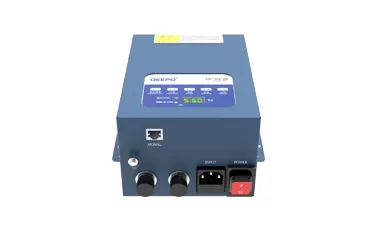
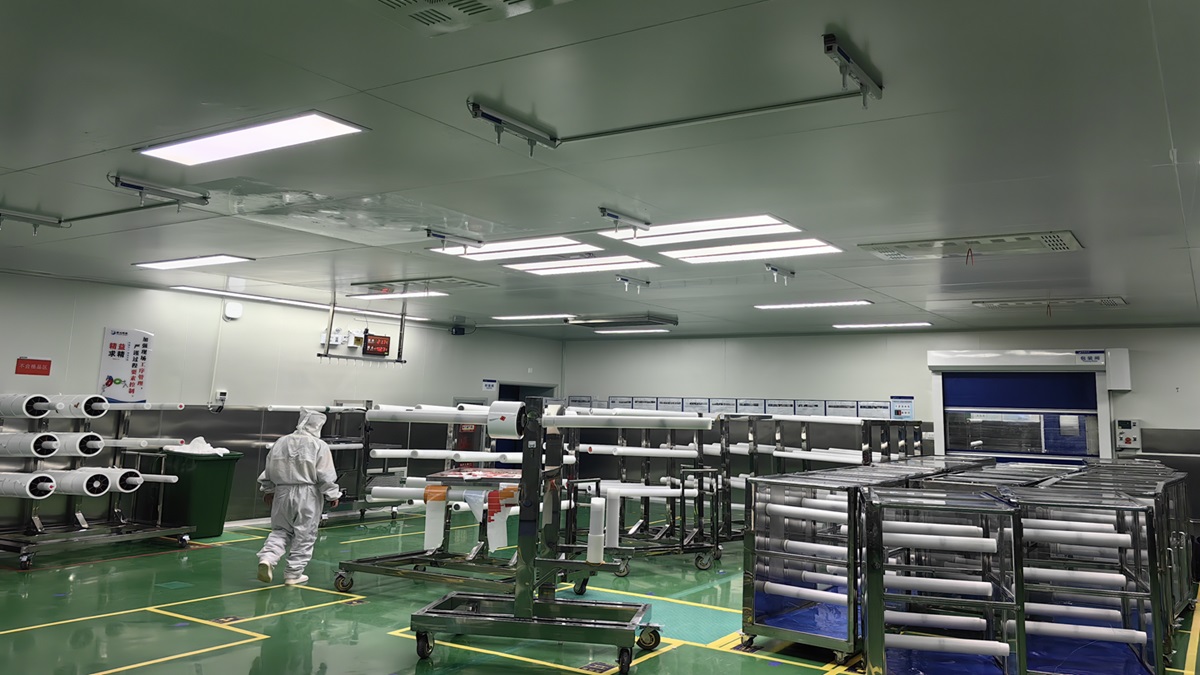
Reasonably regulate workshop temperature and humidity, maintaining relative humidity between 45%‑65% to improve air conductivity and mitigate static‑charge accumulation. Ensure reliable earthing for floors, workbenches and turnover equipment, and optimise clean‑room ventilation structures to reduce static build‑up caused by dry conditions. QP‑F66(SSE) space static eliminators can also be installed inside clean rooms to eliminate static over large areas, lower particulate concentration and elevate clean‑room cleanliness grades.
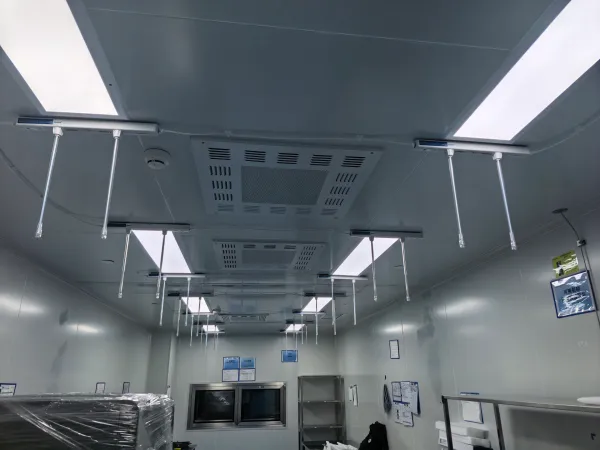
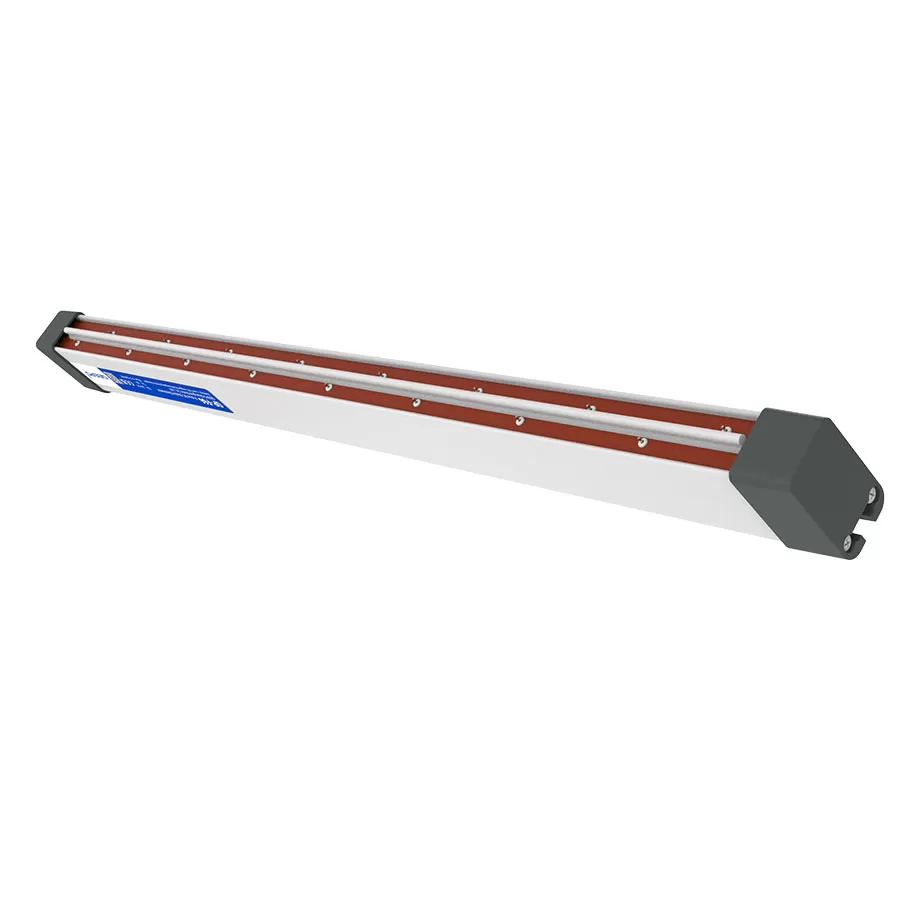
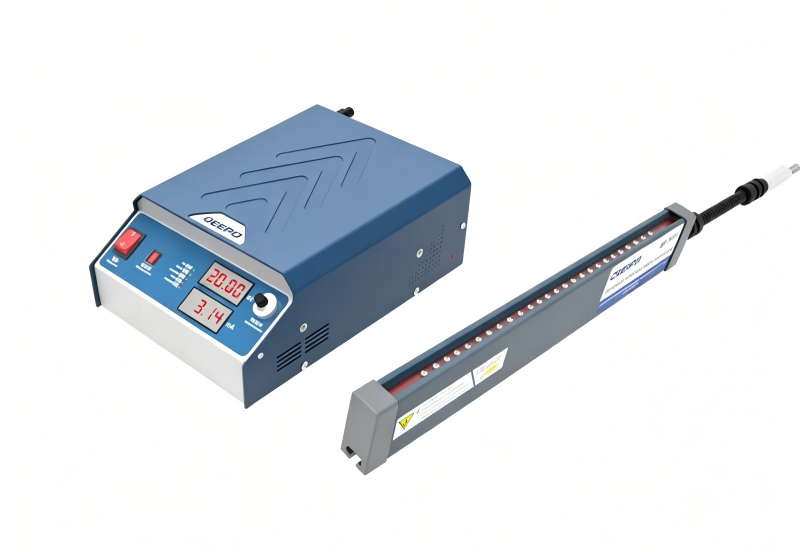
To satisfy pharmaceutical‑industry requirements for dust‑free, low‑ozone and non‑secondary‑pollution operation, install QP‑S35 static eliminators at key stations such as packaging machines, slitting machines, filling stations, film unwinding positions and rubber‑stopper conveying lines. Via ion neutralisation, the devices rapidly neutralise high‑voltage static on films, plastic parts and packaging materials, resolving sticking, material deviation and dust‑attraction problems. They generate zero dust and will not contaminate clean‑room environments, fully complying with GMP production standards.
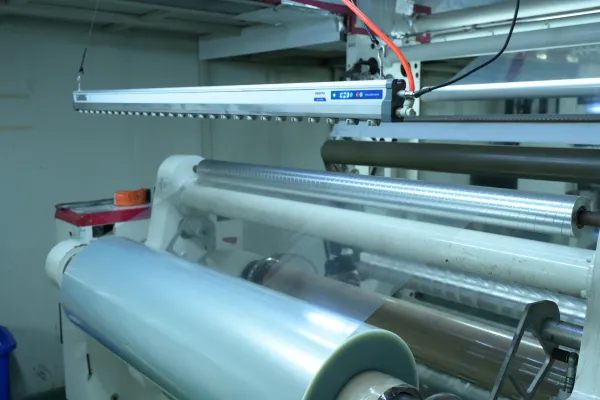
Use anti‑static turnover trays and anti‑static bags for storage and transportation of semi‑finished pharmaceuticals, rubber stoppers, plastic components and packaging materials. Avoid secondary static generation from friction with ordinary plastic or chemical‑fibre supplies. Store materials in partitioned zones to minimise dust adsorption triggered by static electricity.
Operators shall wear qualified clean‑room garments, anti‑static shoes and anti‑static gloves. Standardise operational movements to reduce static generated by friction from limbs and clothing. Deliver regular basic anti‑static training to foster standard work habits.
Deploy QP‑C01 static‑electricity sensors to monitor static voltage on workshop workstations, equipment, production lines and material surfaces, ensuring static values stay within safe ranges. Clean and inspect static‑elimination equipment on a regular basis to guarantee stable ion output. Prevent ineffective static removal caused by equipment performance degradation and sustain long‑term anti‑static performance.
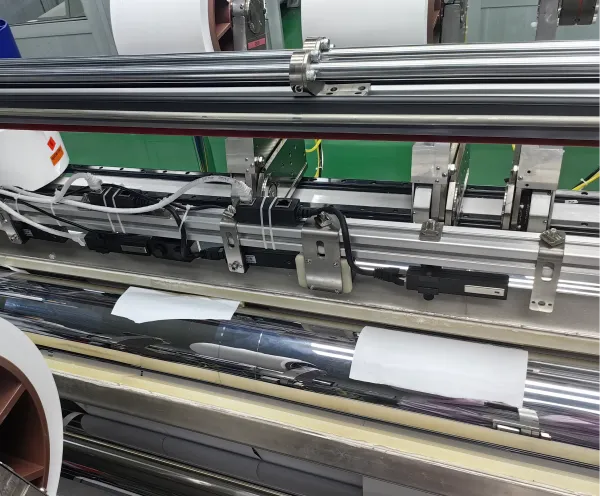
Static electricity in pharmaceutical settings may appear trivial, yet it directly impacts pharmaceutical cleanliness, production yield, packaging quality and GMP compliance. By optimising workshop environments, deploying dedicated QEEPO static‑elimination devices, standardising material and personnel administration, and establishing routine inspection mechanisms, enterprises can effectively resolve static‑related adsorption, process anomalies and quality defects across pharmaceutical manufacturing workflows. This secures stable clean‑room production and cuts reject rates as well as compliance‑related risks.

 +86-17717352246
  andy@qeepo.cn
 English
  日本語
日本語  한국어
한국어  français
  Español
  русский
  português
  العربية
  tiếng việt
  ไทย
ไทย  Polska