During the operation of coating equipment, static electricity can attract airborne dust and contaminants, adversely affecting coating uniformity and overall quality. Moreover, when the coating liquid contains flammable solvents, static electricity may pose serious safety risks, including fire or explosion. Therefore, appropriate measures must be implemented during the coating process to control and reduce the generation of static electricity, ensuring both operational safety and coating quality.
Friction
When coating materials come into contact and rub against coating rollers, conveyor belts, air, or other surfaces, charge transfer occurs, leading to the generation of static electricity.
Separation
When coating materials separate from coating rollers or conveyor belts, uneven charge distribution at the contact interface can result in charge redistribution, thereby generating static electricity.
Environmental Humidity
In dry environments, the low moisture content in the air reduces electrical conductivity, making it difficult for charges to dissipate. As a result, the likelihood of static electricity buildup increases significantly.
Equipment Design
Poor grounding or the use of insulating materials in equipment design can cause static charges to accumulate gradually, potentially leading to hazards.
Process Parameters
Improper process settings—such as excessively high or low coating speed, inappropriate coating pressure, or uneven or out-of-range coating thickness—can promote static charge accumulation and even lead to electrostatic discharge.
Operators
If personnel have accumulated static charges and fail to eliminate them before entering the operating environment, electrostatic discharge may occur when they come into contact with equipment.
Safety Hazards
When static electricity accumulates beyond a certain level, flammable substrates or coating liquids may ignite, resulting in fire or explosion accidents.
Equipment Damage
Static electricity can interfere with normal equipment operation and may cause damage to sensitive components.
Poor Coating Adhesion
Electrostatic effects may reduce the adhesion of the coating liquid to the substrate.
Non-Uniform Coating Thickness
Static electricity can cause localized areas of excessive or insufficient coating thickness, leading to uneven coatings and reduced overall quality.
Surface Defects
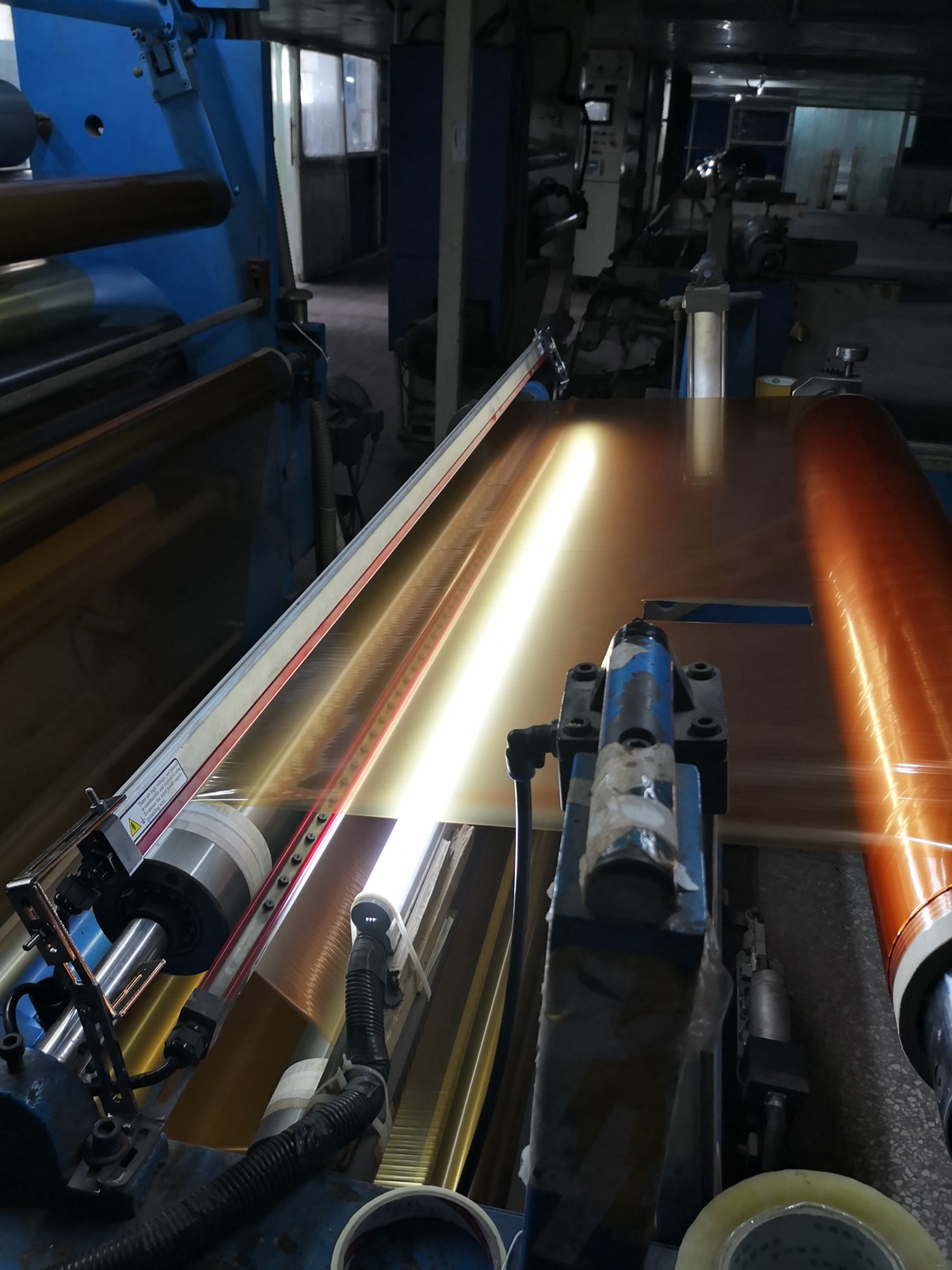
Static charges attract dust and impurities from the environment, resulting in defects such as pinholes, craters, wrinkles, tension lines, orange peel texture, bubbles, and film depressions.
Installation of Static Eliminators
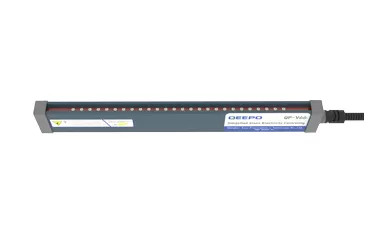
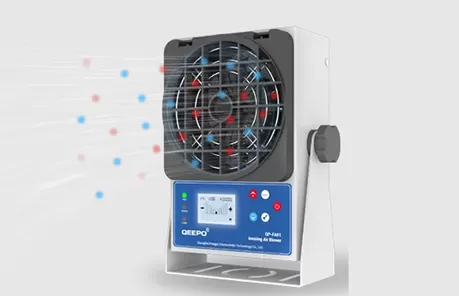
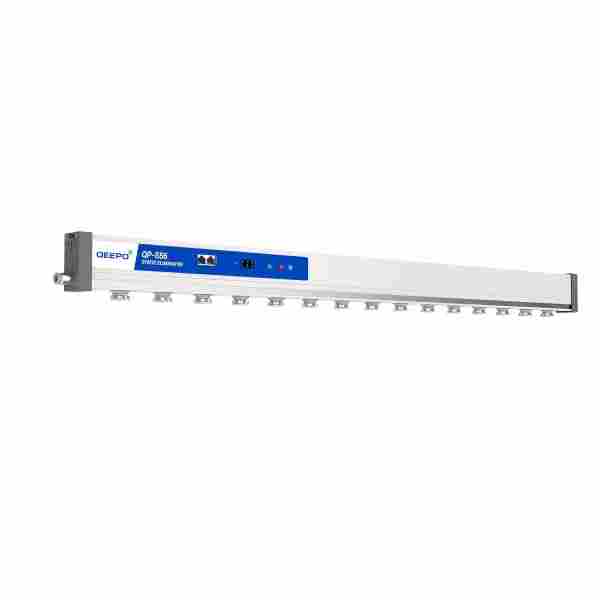
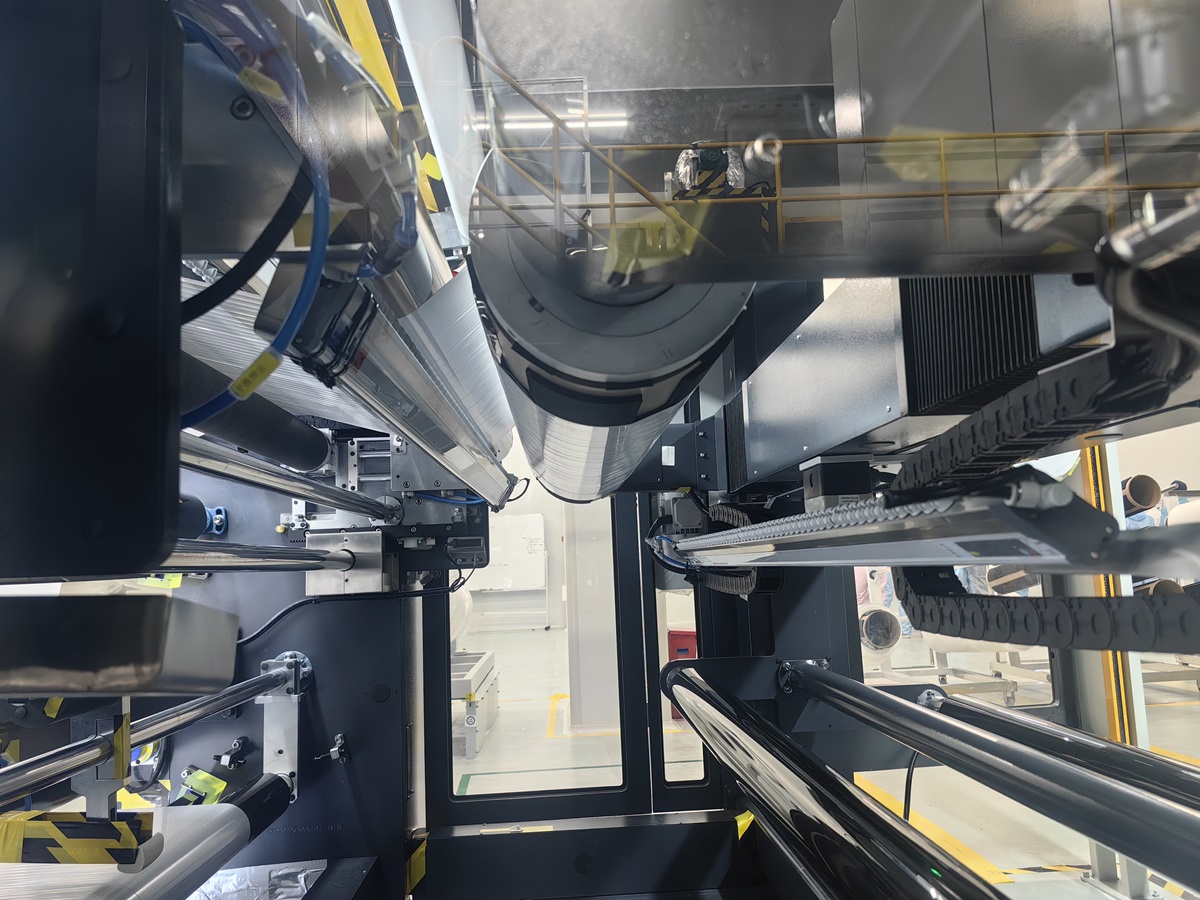
Depending on process requirements, QP-S35 integrated intelligent anti static eliminators and QP-ES split-type static eliminators can be installed at unwinding and rewinding stations, during material transport, before and after coating, before and after drying, as well as during winding and slitting processes.
Antistatic Agents
Applying antistatic agents forms an ionic layer on the material surface, imparting electrical conductivity and preventing the accumulation of static charges.
Process Control
By optimizing material selection, process design, and equipment structure, static electricity generation and accumulation can be effectively controlled and kept below critical levels.
Component Selection
Use pulleys, conveyor belts, or belts made of materials with good electrical conductivity; replace belt drives with gear drives where possible to reduce static buildup.
Grounding
Grounding is one of the most common methods for eliminating static electricity hazards. Direct grounding is primarily used to dissipate static charges on conductive materials, while resistive grounding is applied to insulating materials.
Improving Environmental Cleanliness
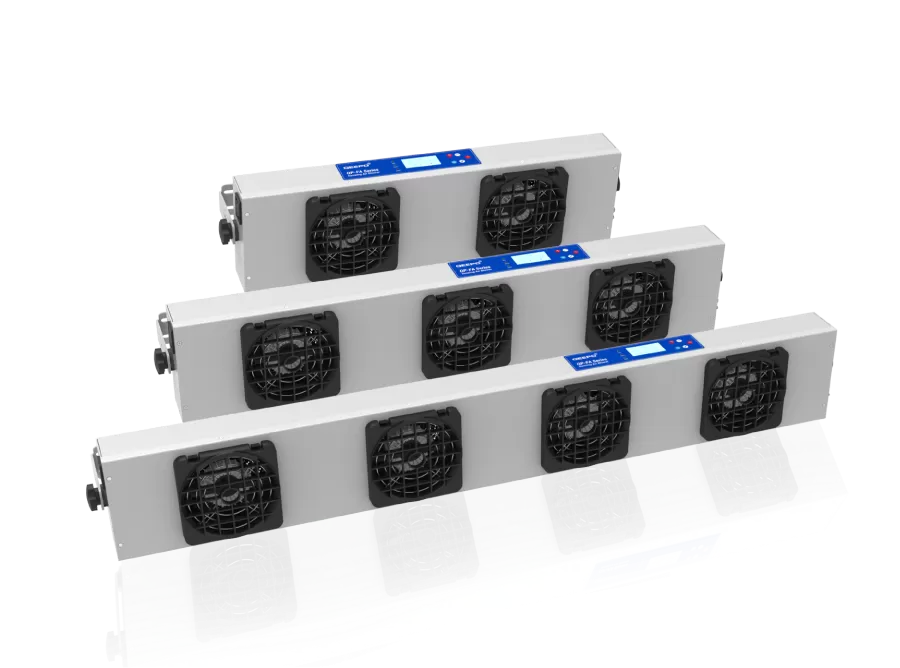
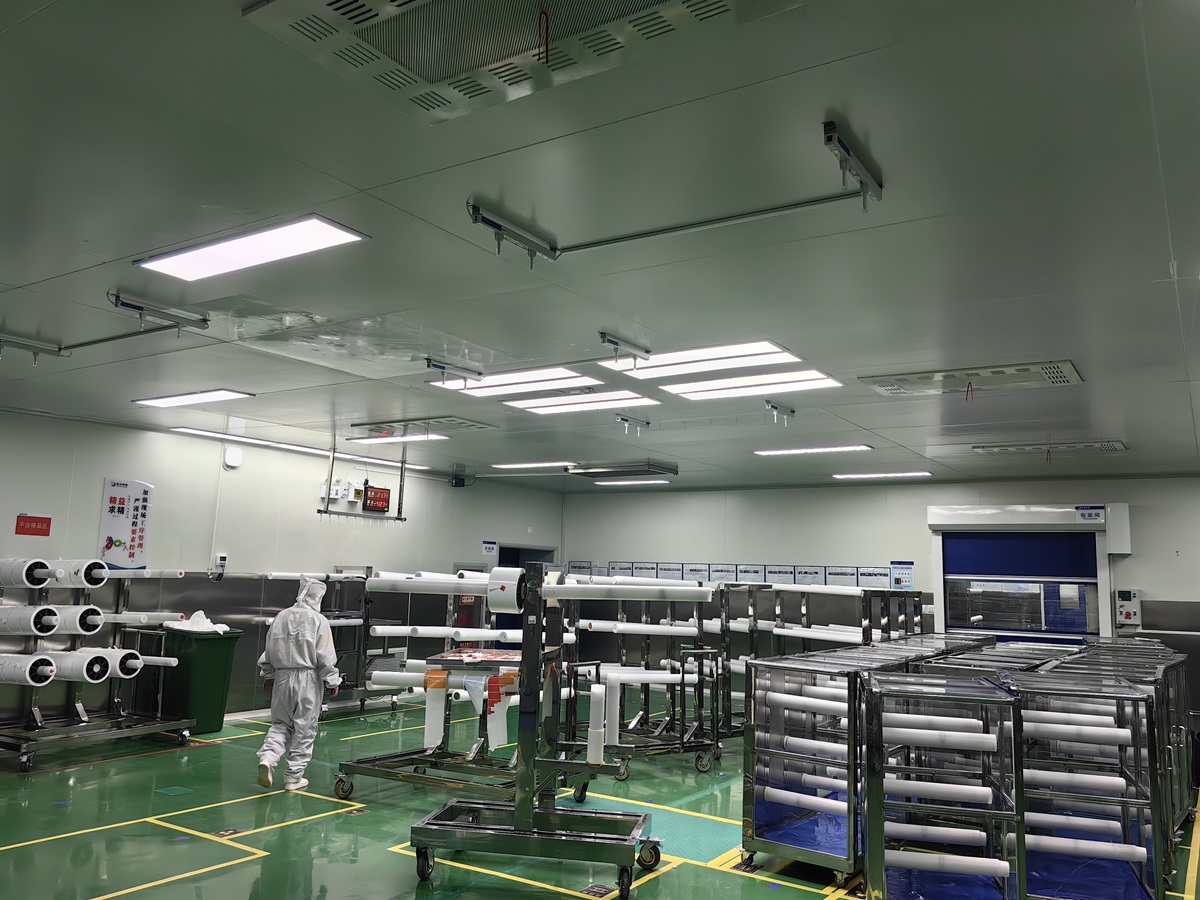
High-level air cleanliness significantly reduces airborne particle concentration, thereby decreasing the generation and accumulation of static electricity. The QP-F66 (SSE) space static eliminator is suitable for large-area static removal in cleanrooms, dust-free workshops, and similar environments.

 +86-17717352246
  andy@qeepo.cn
 English
  日本語
日本語  한국어
한국어  français
  Español
  русский
  português
  العربية
  tiếng việt
  ไทย
ไทย  Polska