Static electricity is a natural phenomenon that poses myriad challenges across various industries. From electronics manufacturing to pharmaceuticals, the need for accurate measurements of static electricity is crucial. Understanding how to measure and control static charges can greatly improve product quality and operational safety. This article provides a detailed guide on the usage and measurement techniques of electrostatic meters, including types of meters available, step-by-step measurement processes, interpreting readings accurately, applications across industries, and avoiding common errors in measurement. Discover how electrostatic meters can be an invaluable tool for your static control products strategy and enhance your operations effectively. A reliable static electricity measurement device helps teams standardize testing and document results across different workstations, while a static measurement device can be selected based on measurement distance, sensitivity, and the surface being evaluated.
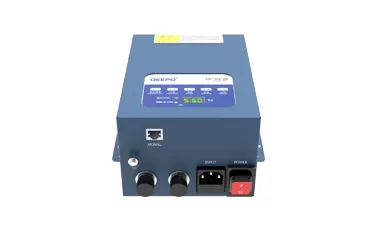
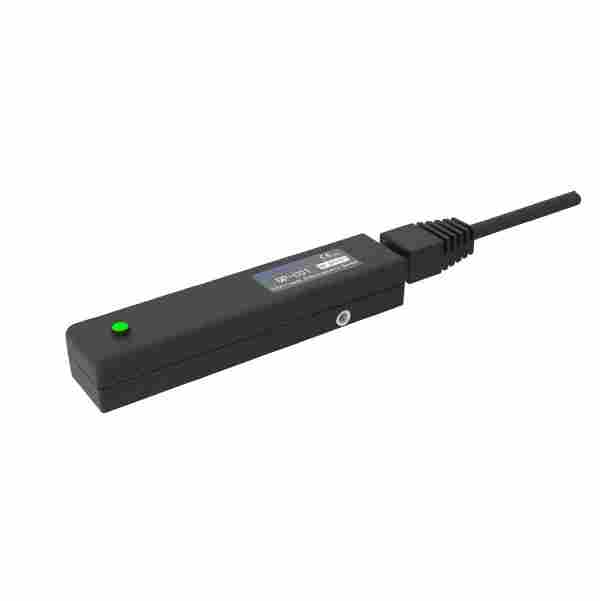
Electrostatic meters are specialized devices designed to measure static charges within a given area or on particular surfaces. Depending on your specific needs, various types of electrostatic meters are available to provide accurate measurements.
| Type | Features | Benefits |
|---|---|---|
| Electrostatic Meter | High sensitivity, digital display | Allows precise measurements |
| Static Meter | Portable, easy to use | Ideal for field assessments |
| Electrostatic Field Meter | Measures field intensity | Suitable for wide area mapping |
| Anti Static Device | Integrated thresholds | Prevents overcharge situations |
Choosing the right meter depends on the environment and specific measurement requirements. For example, static charge generators might require a more sensitive static electricity detector to accurately gauge charge levels, while an air ionizer fan complements static reinforcement purposes. In many facilities, an electrostatic meter may be used as the primary static electricity measurement device, and a portable unit can serve as a secondary static measurement device for quick spot checks.
Accurate measurement of static electricity involves a systematic approach. Here's a step-by-step guide to ensure precision with your electrostatic meter:
1. Calibration: Before any measurement, ensure your meter is calibrated according to the manufacturer's specifications. Calibration secures measurement integrity and device functionality.
2. Positioning: Place the meter at the required distance from the target surface. Depending on the meter type, this distance can vary to achieve the best results – consult the manual for specific guidelines.
3. Measurement: Activate the device and observe readings on the digital display. For real-time applications, ensure the anti static ionizer fan or any other supporting device is operational during the measurement.
4. Validation: A secondary measurement complements the FIRST reading for consistency checks, ensuring no errors when using the electrostatic field meter.
Employing these steps efficiently can provide a well-rounded understanding of current static conditions in your environment, assisting in the adoption of appropriate static eliminator mechanisms. By integrating a Qeepo-certified device to measure static electricity into your workflow, you can quantify charge levels and verify the effectiveness of your existing anti-static protocols. For audits and compliance reporting, a calibrated static electricity measurement device ensures your readings remain consistent over time, and a dedicated static measurement device can help operators repeat the same procedure across shifts.
Understanding and interpretation of measurement readings are as important as the actual measuring. Timely interpretation guides effective static control measures.
Visual Guides: Many meters have visual indicators like LED colors or numeric thresholds. These guides make readings easy to comprehend, even for newcomers. For example, a rising red indicator signal might indicate a burgeoning static field.
Digital Readouts: Static electricity machines often accompany digital readouts that provide precise values and metrics. This is instrumental in understanding charge levels and intensity numerically, offering actionable insights when liaising with static control products.
Cross-verification: Having multiple readings on an electrostatic meter helps in cross-checking initial data to ensure relevance and reliability. In case of mixed signals, refer to product manuals or professional advice for accuracy guarantees.
Interpretation fosters informed decisions around anti static bar placements or the use of static eliminator bar technologies.
Electrostatic measurement finds applicability across several industrial sectors, improving performance, safety, and quality handling.
Electronics: Precise measurement of static buildup minimizes discharge risks during component assembly, utilizing static control products like a static meter and an electrostatic detector to enhance workflow.
Pharmaceuticals: In sensitive environments where contamination risks might arise from static electric fields, static eliminator measures assist in maintaining sterile conditions.
Printing: Static electricity generators monitor charge imbalances that could result in paper jams or ink misalignment during print processes, while the choice of anti static device preserves operational harmony.
Integrations of these tools provide definitive benefits, ensuring operational efficacy across unique industrial challenges.
While measuring static electricity, errors can result in data misinterpretation, leading to faulty adjustments. Understanding common pitfalls is imperative for error-free measurement.
Improper Calibration: A fundamental error stemming from skipped or poorly executed calibration procedures can nullify measurement integrity. Check your static charge generator calibrations regularly.
Wrong Positioning: Incorrect meter placements or unsuitable meter choices can result in skewed results, negating static eliminator bar applications.
Environmental Variances: Changes in temperature and humidity affect static readings. Employ electrostatic field meter selections, factoring these variations to mobilize consistent results.
Ignoring Grounding: Lack of proper grounding can elevate static charge levels, leading to severe disruptions, and ensure static bar placements are not compromised.
By addressing these factors, your usage of static control products becomes streamlined, ensuring productive use of static electricity measurement devices.
Harnessing the capabilities of electrostatic meters in the effective measurement and control of static electricity is essential for ensuring operational safety, performance excellence, and product robustness. From careful selection of the right type of meter to accurately interpreting its readings, businesses can achieve superior outcomes in static management. Successful applications across industries demonstrate the versatility and impact of these technologies, tailored to advance professional endeavors. Understanding these aspects not only empowers personnel but also creates a competitive edge through strategic implementations of anti static device solutions. Equip your practice with these insights and elevate your operational capabilities with reliable static control measures.

 +86-17717352246
  andy@qeepo.cn
 English
  日本語
日本語  한국어
한국어  français
  Español
  русский
  português
  العربية
  tiếng việt
  ไทย
ไทย  Polska