Static electricity is a common phenomenon observed in everyday life, like when you feel a shock after touching a metallic object or when balloons stick to walls. The principle that governs this occurrence is the triboelectric effect. This effect is responsible for the generation and transfer of charge between different materials that come into contact and then separate. Understanding how this process works is crucial for anyone working with static control products or aiming to leverage static eliminator technologies.
The triboelectric series is a list of materials ranked according to their tendency to gain or lose electrons. When two materials come into contact and are subsequently separated, the material higher in the series will generally shed electrons and become positively charged, while the material lower in the series will gain electrons, thus becoming negatively charged. This phenomenon is the foundation of the operation of static charge generators such as the electrostatic generator.
| Material | Tendency to Lose Electrons | Tendency to Gain Electrons |
|---|---|---|
| Glass | High | Low |
| Nylon | Medium | Medium |
| Silicone | Low | High |
| Teflon | Low | Very High |
Different materials have varying abilities to generate a static electricity charge based on their position in the triboelectric series. Static electricity machines and static electricity generators utilize materials such as glass, rubber, and certain fabrics to produce and measure static charges. The efficiency of machines that leverage static electricity, like an electrostatic field meter or static meter, relies heavily on the materials used and their properties.
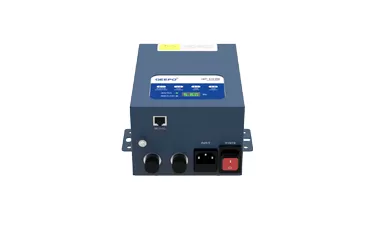
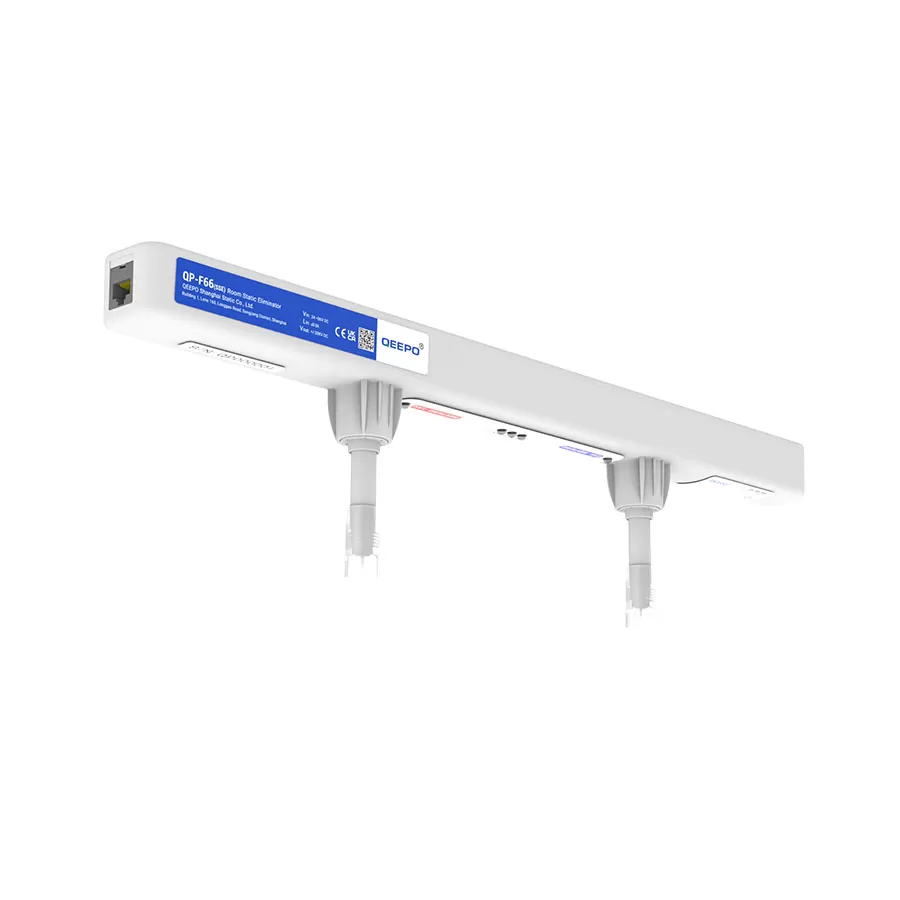
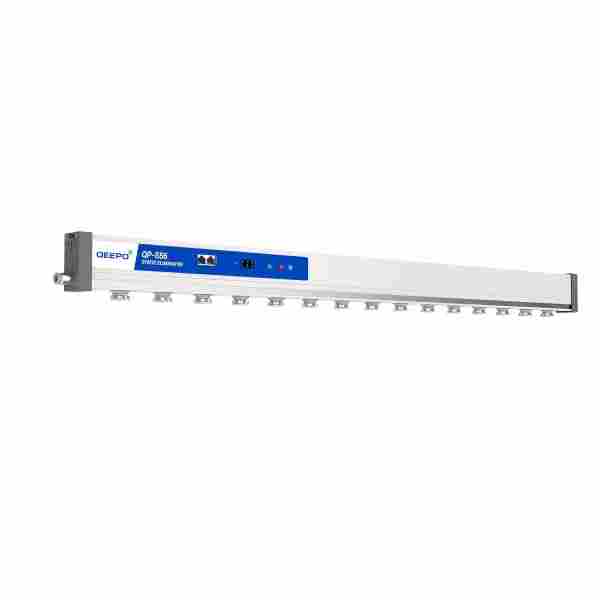
For instance, a static eliminator bar often incorporates metals and anti-static devices composed of materials that dissipate or neutralize charge, proving essential in manufacturing or electronic environments. Meanwhile, an anti static bar can help manage and reduce unwanted charges, safeguarding sensitive electronic components and equipment.
The prevalence of static electricity is subject to several environmental influences, including humidity and temperature. Low humidity environments often exacerbate static buildup, as dry air doesn't conduct electricity efficiently. This is notably impactful in industrial settings where static can affect manufacturing processes and safety standards, necessitating the use of ionizer fans or air ionizers.
In environments prone to static buildup, maintaining a controlled atmosphere using advanced devices like electrostatic detectors and static eliminator bars can mitigate risks. By better understanding environmental impacts, industries can implement effective anti-static devices, ensuring that their operations remain both efficient and safe.
The triboelectric effect is not limited to scientific or industrial settings; it also occurs frequently in our daily lives. Common examples include the shock from touching a door handle or the static cling of clothes. Even simple actions, such as walking across a carpet, can result in static charge buildup. Using an air ionizer fan can help manage these charges, creating a comfortable living environment.
In everyday scenarios, static electricity may be viewed merely as a nuisance; however, in specialized settings, the control and utilization of static electricity through devices like electrostatic meters is crucial. As businesses seek to implement static control measures, education on tribocharging becomes increasingly essential.
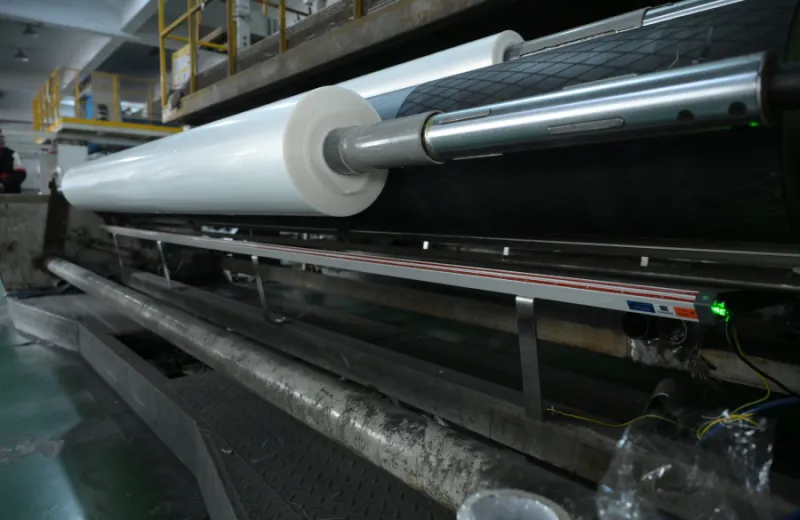
The generation of static electricity via the triboelectric effect can significantly impact various industrial processes. Industries that deal with combustible materials, pharmaceuticals, or electronics are particularly sensitive to static electricity. This necessitates sophisticated static control to ensure safety and compliance, utilizing tools such as static meters and static bars.
Innovative machines like static eliminators and anti static devices safeguard industrial equipment and products from damage by preventing charge buildup. Thus, understanding triboelectric effects is not only vital for product safety but also for enhancing productivity in settings reliant on static control.
As industries continue to evolve, exploring advancements in static electricity technologies will become imperative. Companies should engage in continuous learning to integrate static electricity generators, static meter solutions, and comprehensive static control products into their operations to remain at the forefront of innovation.
Understanding the triboelectric effect and its implications on static electricity is fundamental for a myriad of applications. From everyday encounters to complex industrial processes, effective management and control of static electricity are vital. By leveraging tools like static charge generators and air ionizer fans, one can harness static electricity safely and effectively. Companies like [Your Brand], specializing in static control products, can provide comprehensive solutions tailored to any environment. Stay informed on the latest advancements by accessing detailed resources and partnering with experts in the field.

 +86-17717352246
  andy@qeepo.cn
 English
  日本語
日本語  한국어
한국어  français
  Español
  русский
  português
  العربية
  tiếng việt
  ไทย
ไทย  Polska