+86-17717352246
  andy@qeepo.cn
 English


Electronics Industries
Traditional Industries
Electronics Industries
Semiconductors Industry
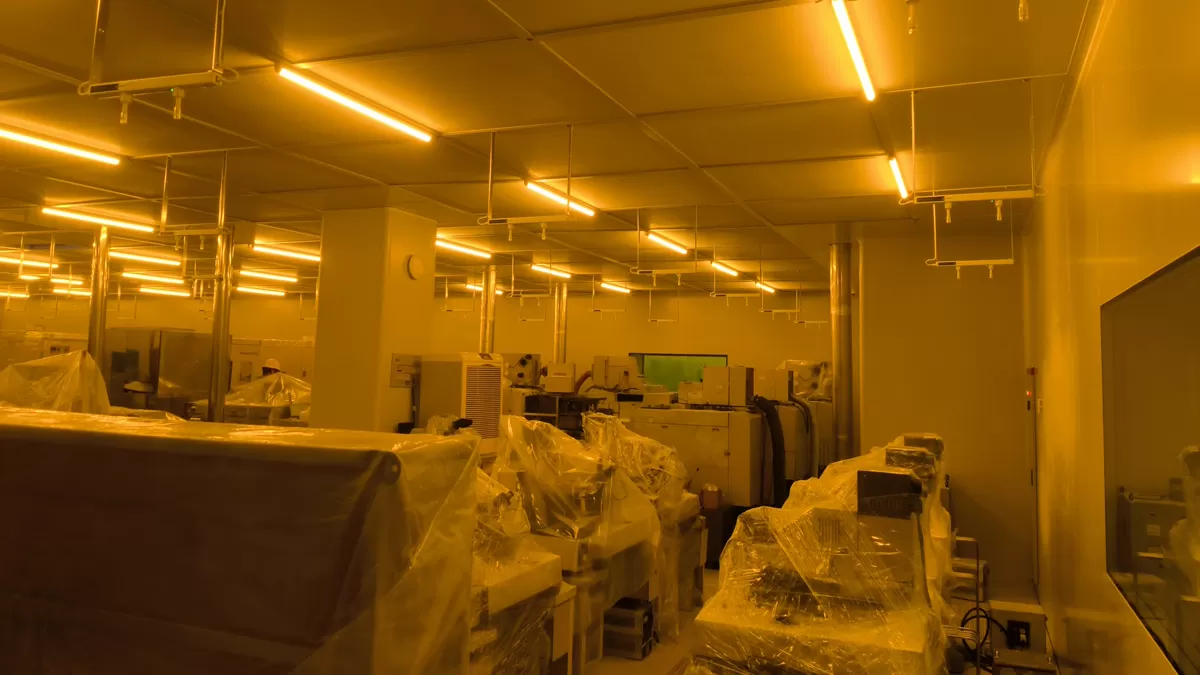
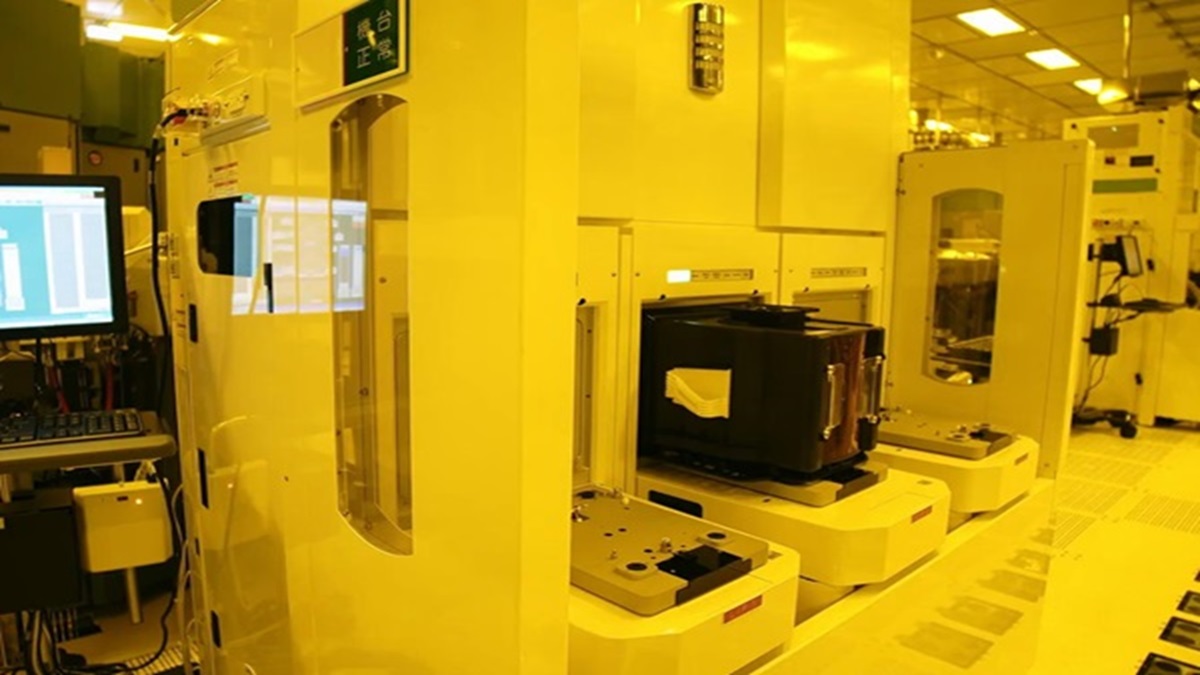
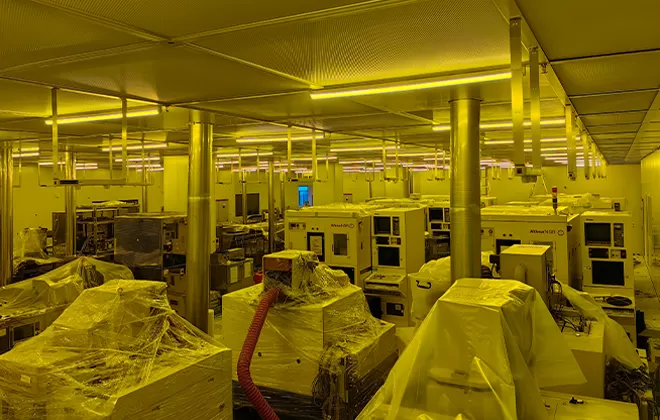
The semiconductor industry has strict standards for electrostatic control, such as ANSI/ESD S20.20: ESD protection system certification. SEMI E78: Static Electricity Management Specification for Wafer Manufacturing Equipment. ISO 14644: Cleanroom environmental control standard (including electrostatic indicators).

Electronics Industries
LCD Panel Industry
The core structure of LCD panels, TFT layer (such as amorphous silicon or IGZO), is extremely sensitive to static electricity, and electrostatic discharge (ESD) may penetrate micro level circuits, leading to pixel failure (such as bright spots, dark spots, or line defects).

Electronics Industries
3C Electronics Industry
With the development of 3C products towards lightweight and high-density integration (such as 5G chips and foldable screens), electronic components are more sensitive to static electricity, and static electricity control has become a necessary support for technological upgrades.

Electronics Industries
Automotive Industry
Use anti-static workbench, ion fan, grounding device, etc. to ensure that the production environment of electronic components (such as automotive chip packaging, ECU assembly) meets ESD standards.

Electronics Industries
Artificial Intelligence Industry
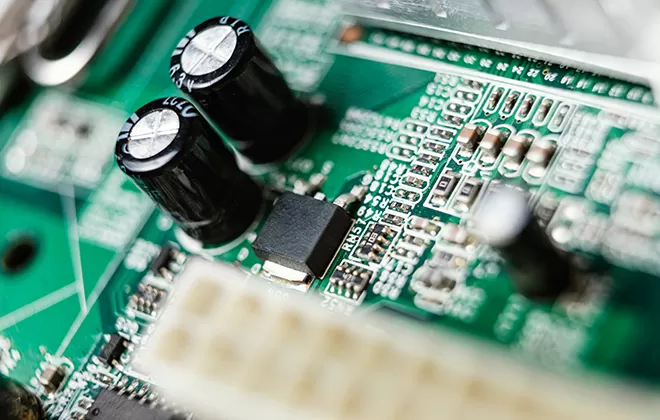
AIoT devices, such as cameras, LiDAR, and smart robots, rely on MEMS sensors and edge AI chips. Electrostatic adsorption of dust or direct discharge can cause a decrease in sensor sensitivity or circuit damage.
Electronics Industries
Electronic Components Industry
The core structure of electronic components (such as IC chips, MOSFETs, MLCC capacitors), such as gate oxide layers and thin film dielectrics, is extremely sensitive to static electricity. Static electricity ranging from a few volts to several tens of volts can cause breakdown or leakage, resulting in permanent failure (such as short circuit, parameter drift).
Electronics Industries
Automation Equipment Industry
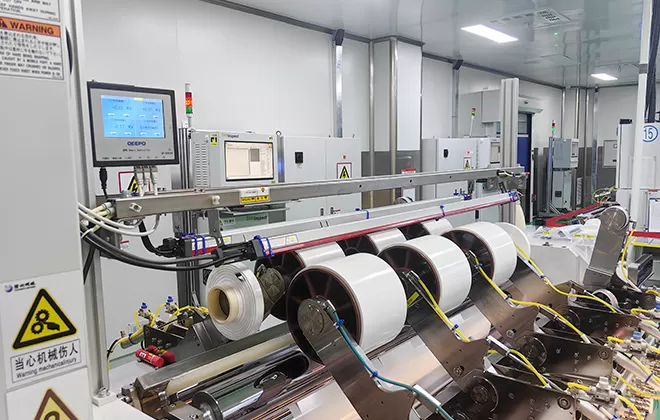
The core control systems of automation equipment (such as PLC, servo drives), sensors (photoelectric, pressure sensors), and communication modules (industrial Ethernet, CAN bus) all rely on precision electronic components (such as MCU, FPGA). Electrostatic discharge (ESD) may directly penetrate the chip or cause signal distortion, leading to equipment malfunction or shutdown.

Electronics Industries
Internet of Things Industry
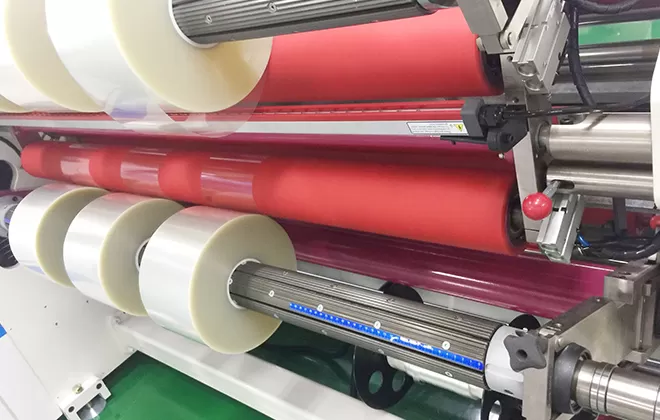
Static control is the cornerstone of achieving the reliability of "Internet of Things" in the IoT industry. From miniature sensors to edge intelligent terminals, electrostatic protection needs to be deeply coordinated with low-power design, environmental adaptability, and data security.
Traditional Industries
Plastic Film Industry
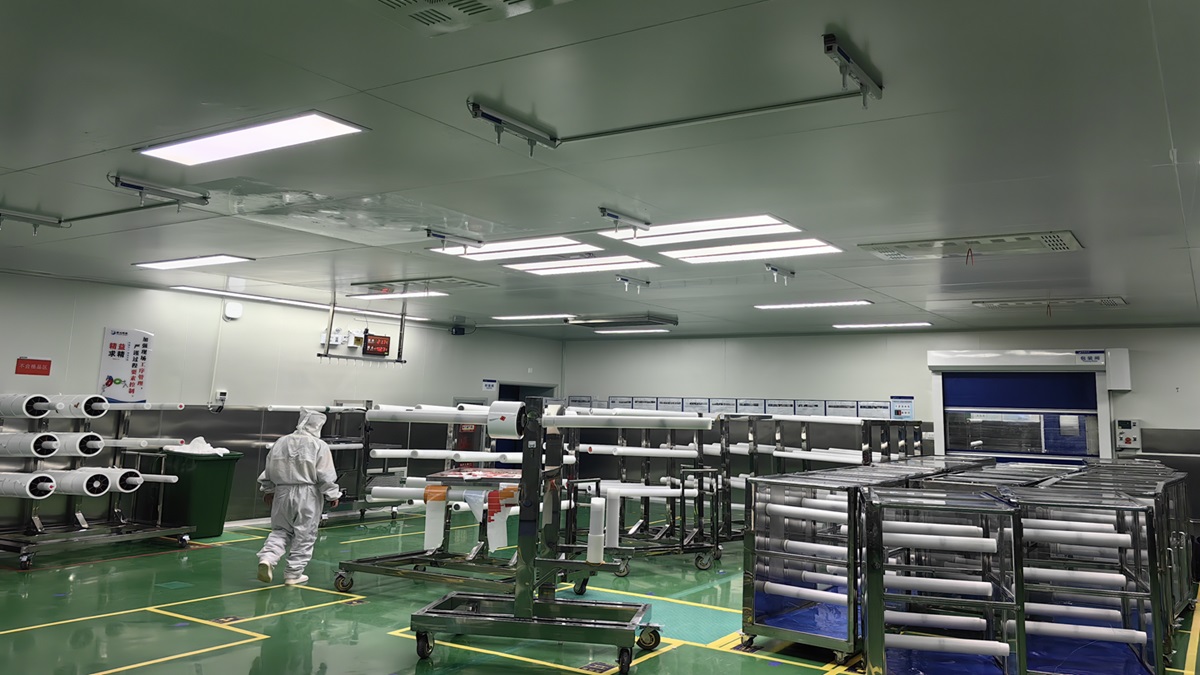
Static electricity causes the edges of the film to warp or adhere to the roller, resulting in cutting deviation and uneven winding. Static electricity during printing causes ink splashing and inaccurate color matching; Static electricity causes uneven distribution of glue during compounding.

Traditional Industries
Packaging and Printing Industry
Static electricity can cause dust or ink splashes to adhere to the surface of materials, resulting in blurry printed patterns, edge burrs, or inaccurate overprinting. Static control ensures precise ink transfer and reduces waste rates.

Traditional Industries
Lithium Battery Industry
When cutting the polarizer, static electricity causes the polarizer to adhere to the cutting tool or winding roller, resulting in edge burrs and misalignment of the coil material. Diaphragm (such as PP/PE) may puncture the diaphragm and cause micro short circuits due to electrostatic adsorption of metal dust or adhesion to the polarizer.

Traditional Industries
Solar Photovoltaic Industry
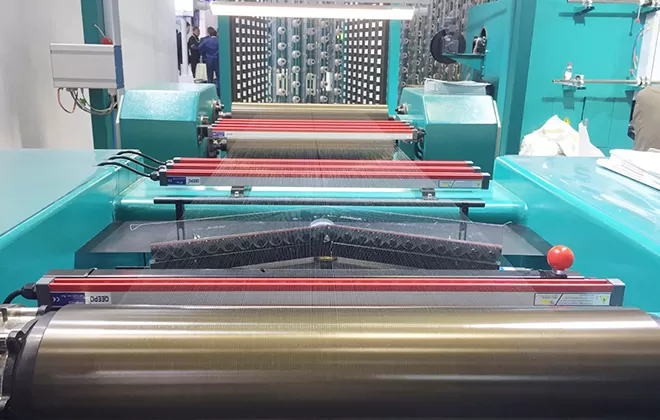
Silicon wafers, glass substrates, etc. are electrostatically adsorbed on the conveyor belt, resulting in positioning deviation or machine jamming. Static accumulation may interfere with sensor signals or damage precision electronic components (such as PLC controllers), increasing downtime maintenance costs.
Traditional Industries
Textile Industry
Synthetic fibers (such as polyester and nylon) are prone to scattering due to static electricity during the opening and combing process, resulting in uneven or broken yarns. Static control can increase fiber adhesion and reduce yarn CV value (unevenness) by 20% -30%.
Traditional Industries
Chemical Industry
Glass surfaces are prone to defects during subsequent processing (such as coating, printing, and bonding) due to electrostatic adsorption of dust, particles, or fibers.
Glass is prone to static electricity caused by friction in high-speed production lines such as float glass production, tempering, and cutting, leading to processing deviation or equipment adhesion.

Traditional Industries
Food and Beverage Industry
There may be combustible dust (such as flour, starch) or alcohol vapor in food and beverage factories, and static sparks may cause explosions or fires. Static electricity can adsorb dust, microorganisms, or small particles from the environment onto the surface of food or inside equipment, increasing the risk of contamination.

Traditional Industries
Medical and Pharmaceutical Industry
Install ionization devices in raw material processing equipment to neutralize charges, reduce material residue and agglomeration. Combined with the clean room air purification system, reduce the risk of electrostatic adsorption of particles and ensure a sterile environment.

Traditional Industries
Aerospace Industry
The manufacturing and testing of the aerospace industry cannot be separated from a high-level clean room environment, and static electricity control needs to achieve lower static voltage levels to reduce the adverse effects of static discharge.

Traditional Industries
Glass Industry
Static electricity can have both positive effects on the glass industry (it can be used to adsorb glass paper) and negative effects (it can adsorb dust and particles).


 +86-17717352246
  andy@qeepo.cn
  Building 1, Lane 160, Longgao Road, Songjiang District, Shanghai